
Rogun Dam Assessment Faces Criticism Over Regional Impact
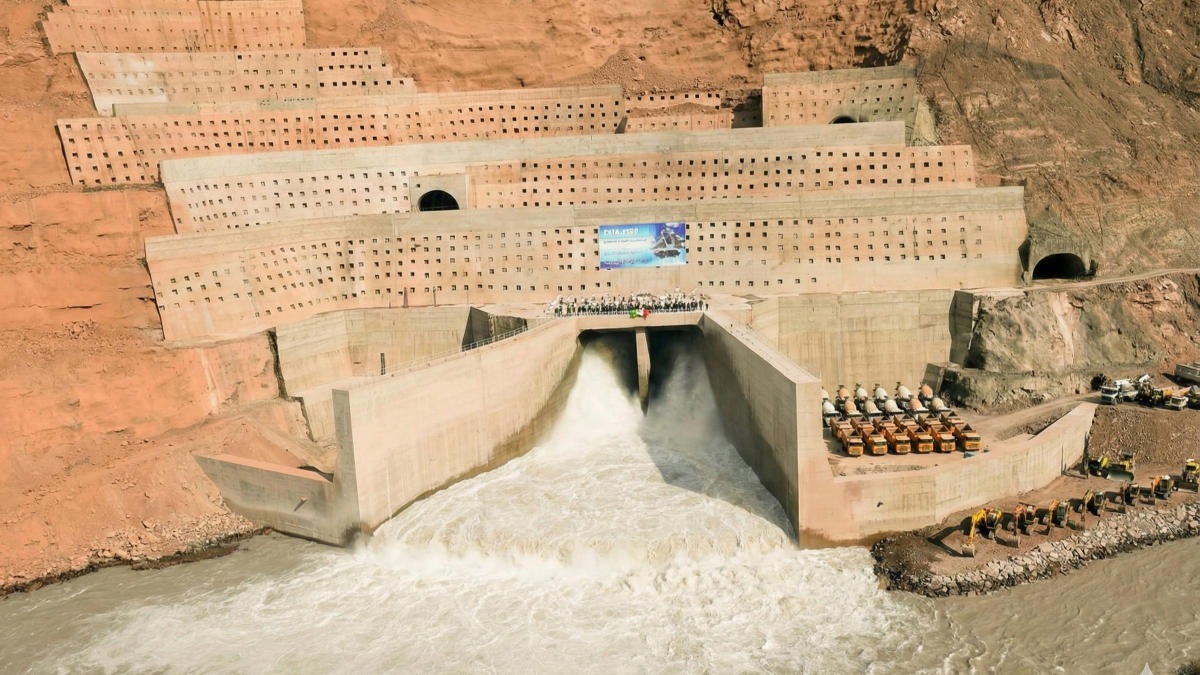
The transboundary impact assessment for the Rogun Hydropower Plant in Tajikistan faces criticism for containing fundamental flaws and failing to meet World Bank environmental and social standards. A new report from the international coalition Rivers without Boundaries finds the assessment relies on outdated 2014 data and static models, which do not account for climate change or current hydrological conditions in the Amu Darya basin.
Project developers are cited for ignoring key external factors, such as Afghanistan’s Qosh Tepa canal, a project set to significantly alter the region’s water balance. The developers’ characterization of the dam’s impact as ‘neutral’ is considered misleading. The operation of the Rogun reservoir is projected to extend the life of the Vakhsh cascade of hydropower plants by 60–100 years. This would solidify a water flow regime detrimental to downstream ecosystems, including the Tigrovaya Balka Nature Reserve – a UNESCO World Heritage site.
The assessment’s authors appear to have excluded the most acute and difficult scenarios from their analysis. Any claim of a neutral impact from the world’s tallest dam is seen as contradicting the basic principles of cumulative effect assessment. Without strict commitments for environmental flows and artificial floods, the project is positioned to extend the degradation of unique natural areas for up to a century, which would contravene the conservation principles of international financial institutions.
Significant risks to biodiversity and the Ramsar Convention–protected wetlands of the Amu Darya delta are also highlighted. The Rogun HPP impact assessment reportedly provides no clear mechanisms to guarantee water supply to these critical zones during dry periods. Furthermore, serious deficiencies were identified in the public consultation process with stakeholders in downstream countries, calling into question the project’s stated social acceptability.
A trend of disregarding the interests of downstream populations and ecosystems has been noted. Consultations were not conducted in the project’s impact zones in Uzbekistan and Turkmenistan, and risks from seasonal flow redistribution and the Qosh Tepa canal were not part of the evaluation. This could set a precedent for a major regional infrastructure project to advance without a firm basis in transboundary cooperation.
The coalition Rivers without Boundaries recommends a comprehensive Strategic Environmental Assessment for the entire Amu Darya basin. It also insists on the need for legally binding flow-management plans that include both climate change adaptation and biodiversity preservation measures. The analysis concludes that without a fundamental revision of its impact assessment and the introduction of mitigation and compensation mechanisms, the Rogun HPP project could become a source of long-term environmental and social tension in Central Asia.